Berberine Hype vs Evidence: A Reality Check on "Nature's Ozempic"
Quick answer: does berberine for weight loss live up to the hype?
Partly. Berberine for weight loss has real but modest evidence: trials link it to small drops in weight and blood glucose over a few months. It is not "nature's Ozempic," it is not equal to prescription drugs, and the "up to" claims outrun the data by a wide margin. It supports a deficit; it does not replace one.
- Real effect: a small, variable reduction in weight and glucose in mostly small, short trials.
- Typical dose: around 500 mg two to three times daily, split to ease the gut.
- The catch: GI side effects are common and it can interact with medication.
Why berberine for weight loss is suddenly everywhere
Search interest in berberine for weight loss has exploded — roughly forty thousand searches a month and rising — and the reason is one sticky, misleading phrase: "nature's Ozempic." As GLP-1 drugs like semaglutide became household names and hard to get, social media went looking for a cheap, over-the-counter stand-in, and berberine got crowned. The nickname is brilliant marketing and terrible science. It borrows the credibility of a powerful prescription medicine and staples it onto a plant compound that works differently and far more weakly. This piece separates the hype from what the trials actually show, and lands on an honest, dose-aware verdict.
First, what berberine actually is. It is a bright-yellow alkaloid found in plants such as goldenseal, barberry and Oregon grape, used for centuries in traditional medicine. It is not exotic and it is not new. What is new is the volume of the hype, and hype is exactly the thing that most needs a reality check — because the gap between "trending ingredient" and "proven intervention" is where a lot of money quietly changes hands.
What the trials actually show
Here is the honest summary, and it is genuinely more interesting than the slogan. Berberine is one of the better-studied supplement ingredients in this space, and the evidence is real — it is just small. Meta-analyses generally find that berberine is associated with modest reductions in body weight and BMI over roughly eight to twelve weeks, frequently on the order of a couple of pounds versus control, with a lot of variation between studies. On the metabolic side it shows more consistent, if still moderate, effects on fasting glucose, HbA1c and some lipid markers. That glucose story is arguably the stronger part of berberine's case, and it is probably why the weight-loss halo attached itself so easily.
But read those effect sizes the way you would read any weight-loss claim. A couple of pounds over three months is real and it is minor, and it sits inside wide confidence intervals drawn from trials that are mostly small, short and heterogeneous in dose and population. This is the same pattern that dogs the whole category, which we unpack in our explainer on what realistic weight loss actually looks like over the first few months. Berberine does not escape it. It is a supporting actor with decent reviews, not a lead.
Myth: "berberine is nature's Ozempic"
This is the claim that needs demolishing, so let us be direct. Semaglutide and its cousins are GLP-1 receptor agonists — they mimic a gut hormone, powerfully suppress appetite, slow gastric emptying, and in trials produce large, sustained, clinically supervised weight loss on the order of ten to fifteen percent of body weight. Berberine does none of that at that magnitude. Its mechanisms — largely acting on an enzyme called AMPK and on gut and glucose metabolism — are real but produce effects an order of magnitude smaller. Putting the two on the same shelf is like comparing a bicycle to a car because both have wheels. The nickname is a category error dressed as a discovery.
Berberine has genuine, measurable pharmacology and a modest, honest effect on weight and glucose. "Nature's Ozempic" is a slogan that inflates that honest effect until it snaps.
Prefer a label you can actually read?
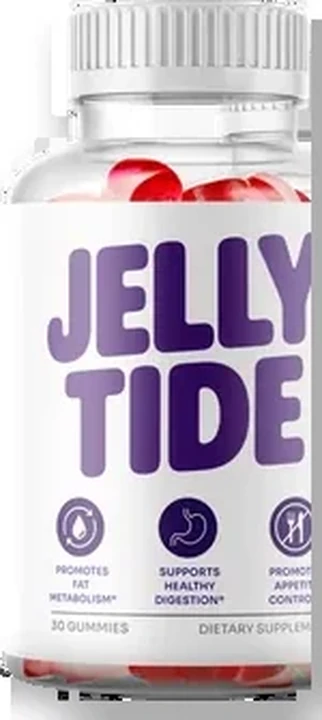
JellyTide is not a berberine product — it is an apple cider vinegar and BHB gummy — but it shares the principle that matters most: a fully published Supplement Facts panel, so you can see every amount per serving instead of trusting a trend. Current bundles and terms are only accurate on the manufacturer's own page.
See the official offer pageBerberine vs the hype: a side-by-side
Laying the claims next to the evidence is clarifying. The table is deliberately qualitative about magnitude, because the honest version of this literature is a range and a confidence level, not a precise promise.
| The claim | What the evidence supports | Certainty |
|---|---|---|
| "Nature's Ozempic" | False equivalence — different mechanism, far smaller effect | Claim not supported |
| Helps modest weight loss | Small reduction vs control over 2–3 months, variable | Low to moderate |
| Improves blood glucose markers | Moderate, reasonably consistent effect on fasting glucose and HbA1c | Moderate |
| Works without diet change | Not supported — effects assume a sensible baseline | Claim not supported |
| Side-effect-free "natural" option | GI upset is common; drug interactions exist | Well documented |
| Replaces prescription treatment | Not supported and potentially unsafe | Claim not supported |
Read the certainty column and the shape of the honest verdict appears. Berberine's strongest evidence is metabolic, not dramatic weight loss; its weight effect is real but small; and its scariest-sounding marketing claims are the ones with the least support. That is a perfectly respectable profile for a supplement. It is just not the profile the hype is selling.
The dose, and why it matters
If you are going to try berberine, the dose is where hype meets reality fastest. Studies most often use around 500 mg taken two to three times daily — roughly 1,000 to 1,500 mg total — and crucially, they split it across the day. That splitting is not fussiness; it is damage control for the gut. Berberine also has a short half-life, so a single large dose is both harsher and less sensible than divided ones. A great deal of supplement marketing cites research at these amounts while selling a product that supplies a fraction of them, which is one of the oldest tricks in the category: quote the strong study, sell the weak dose.
So the practical shopper's question is not "does berberine work" but "does this product supply a researched amount, disclosed on an open label, from a manufacturer that publishes third-party testing." Purity and potency vary enormously between brands for botanical extracts, and a bottle that under-doses or is poorly made cannot deliver even berberine's modest ceiling. The label is the thing. It always is.
The downsides the hype skips
"Natural" does not mean "consequence-free," and berberine is a good illustration. Gastrointestinal side effects are the common complaint — diarrhoea, constipation, cramping, nausea — which is the other reason the dose gets split. More importantly, berberine is pharmacologically active enough to interact with medications. It can affect how the body processes certain drugs and may compound the effects of some diabetes and blood-pressure medicines, which is exactly why self-prescribing it alongside prescription treatment is a conversation to have with a pharmacist, not a comment section. It is not recommended in pregnancy or breastfeeding. None of this makes berberine dangerous for most healthy adults at sensible doses; it makes it a real compound that deserves real caution, which the "just a natural herb" framing conveniently omits. For the broader version of this checklist, see our rundown of weight loss supplement safety basics every buyer should know.
Where JellyTide fits — and where it doesn't
To be completely clear, because honesty is the entire point of this article: JellyTide does not contain berberine. It is an apple cider vinegar and beta-hydroxybutyrate gummy, a different formula aimed at a different routine. We are not going to pretend our product is the berberine you came here to research, because that is exactly the kind of bait-and-switch this site exists to call out. What JellyTide shares with a well-chosen berberine supplement is the only thing that should decide any of these purchases: a fully transparent, published Supplement Facts panel with real amounts per serving. If you want to compare an ACV-and-ketone gummy on those terms, our full breakdown of the JellyTide formula transcribes the panel and does the arithmetic. If berberine is what you want, apply the same standard to it — open label, researched dose, third-party testing — and you will filter out most of the hype automatically.
The honest verdict
Berberine is a real compound with real, modest evidence, strongest on glucose and lipid markers and weaker but present on weight. It is not "nature's Ozempic," it is not equivalent to prescription medicine, and it will not override a calorie surplus. Taken at researched, divided doses from a transparent, tested product, alongside a genuine effort on food, sleep and movement, it is a defensible small addition for some people — ideally after a quick word with a doctor, especially if you take other medication. Bought on the strength of a viral nickname, it is just another overpriced promise. The evidence is the antidote to the hype, and in berberine's case the evidence is quietly, unspectacularly fine.
Medical note: this article is general wellness information, not medical advice, and it summarises published evidence rather than making a product claim. Berberine can interact with medications and is not suitable for everyone. JellyTide is a dietary supplement, not a drug, and does not contain berberine; it is not intended to diagnose, treat, cure or prevent any disease. Speak to a healthcare professional before starting any supplement, especially if you are pregnant, nursing or taking medication.
Frequently asked questions
Is berberine really 'nature's Ozempic'?
No. The nickname is a marketing slogan, not a scientific finding. Berberine and GLP-1 drugs like semaglutide work through different mechanisms and operate on completely different scales. Ozempic-class medicines produce large, clinically supervised weight loss in trials; berberine produces small, variable effects on weight and glucose. Calling it 'nature's Ozempic' overstates the evidence by an order of magnitude.
How much weight can berberine help you lose?
Modestly. Meta-analyses generally show berberine associated with a small reduction in body weight and BMI over a few months, often on the order of a couple of pounds versus control, with wide variation between studies. It is a real but minor effect that works best alongside a calorie deficit, not a replacement for one, and the trials behind it are mostly small and short.
Is berberine as good as prescription drugs?
No. Berberine is not equivalent to prescription weight-management or diabetes medicines, and it is not a substitute for them. It is a dietary supplement, not a regulated drug, its potency and purity vary by brand, and it has not been through the same approval process. Anyone considering it in place of prescribed treatment should speak to a doctor or pharmacist first.
What are berberine's downsides?
Gastrointestinal side effects are common, especially diarrhoea, constipation, cramping and nausea, which is why the dose is usually split across the day. Berberine can also interact with medications, including some diabetes and blood-pressure drugs, and it is not recommended in pregnancy or breastfeeding. Product quality varies widely, so third-party testing matters. Check with a healthcare professional before starting.
Related reading
Sources
- NIH Office of Dietary Supplements — Dietary Supplements for Weight Loss
- PubMed — meta-analyses of berberine on weight, glucose and lipids
- NIH National Center for Complementary and Integrative Health — herbal supplements
- Mayo Clinic — weight loss: setting realistic goals
- NIDDK, National Institutes of Health — Weight Management
Trends fade; transparent labels don't
Whether you end up trying berberine for weight loss or an ACV and BHB gummy, judge it by the amounts on the panel, not the nickname. The JellyTide Supplement Facts panel is reproduced on our home page; current bundles, shipping and the guarantee window live on the manufacturer's own page.
Check the current offer