Weight Loss Supplement Safety Basics
Quick answer: are weight loss supplements safe to take?
Weight loss supplement safety comes down to a few things you can actually control: avoid high-stimulant blends, check for third-party testing, follow the label dose, watch for interactions with your medicines, and talk to a clinician if you have any health condition. Most quality products are reasonable for healthy adults, but nothing here is FDA-approved before sale.
- Biggest risks: stimulants, hidden ingredients and drug interactions — not the gummy itself.
- Quality signal: independent third-party testing and a published Supplement Facts panel.
- Always ask first: if pregnant, nursing, under 18, or on prescription medication.
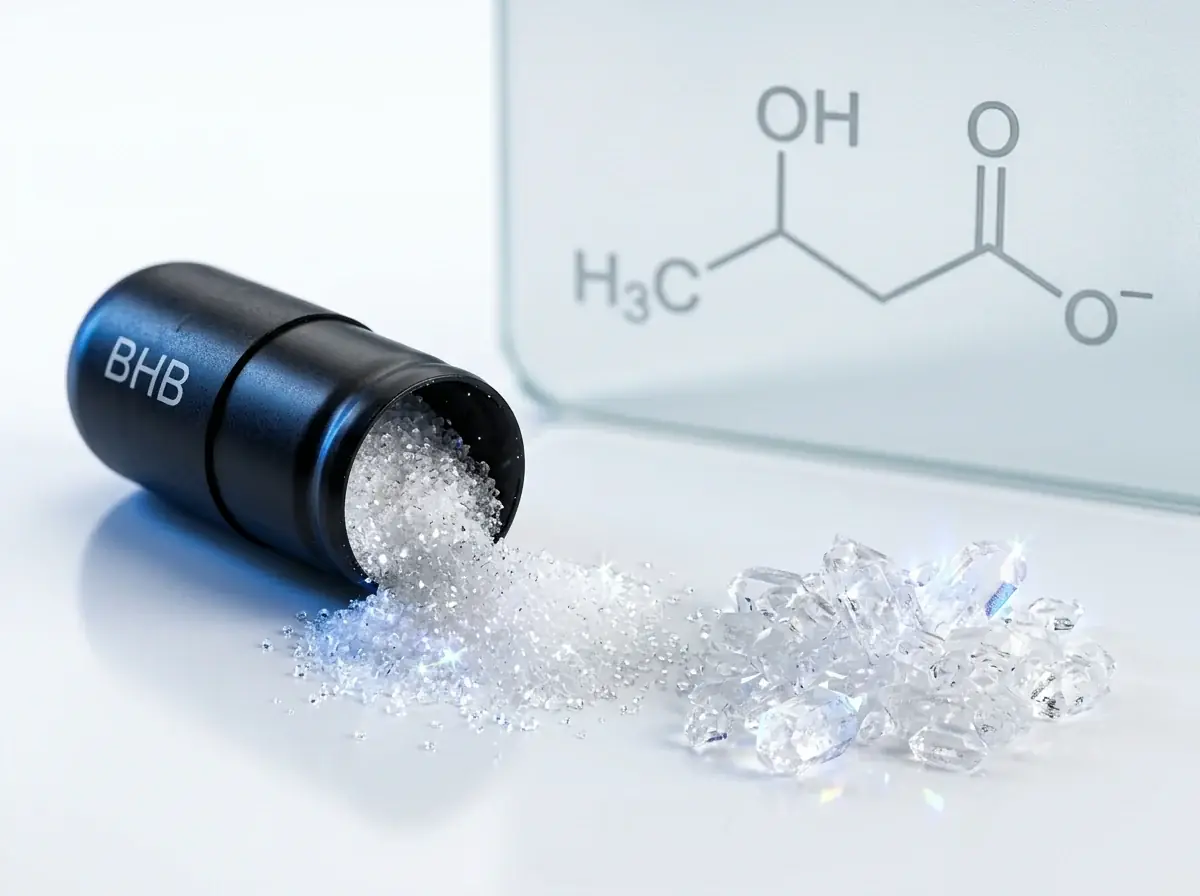
Before you take anything to help with weight, it is worth spending ten minutes on weight loss supplement safety, because the category has a genuine risk profile and almost none of it is where beginners expect. The headline worry is rarely the marquee ingredient. It is the stimulant load, the hidden extras that never make the label, the dose you take relative to your body and your medicines, and the simple fact that a dietary supplement clears no approval process before it reaches a shelf. Understand those four things and you can make a calm, sensible decision instead of an anxious or a reckless one.
This guide walks through what "not FDA-approved" actually means, which ingredients carry real caution flags, how supplements interact with common medications, who should steer clear entirely, and the handful of quality signals — third-party testing chief among them — that separate a well-made product from a gamble. JellyTide is a stimulant-free apple cider vinegar and BHB gummy, and we will be specific about where a product like that sits on the risk map rather than waving the question away.
Weight loss supplement safety and what "not FDA-approved" really means
Start with the sentence on every honest label, including ours: these statements have not been evaluated by the Food and Drug Administration. People read that as a scare line. It is really a description of how the system works. Unlike a drug, a dietary supplement is not reviewed for safety or effectiveness before it goes on sale. Manufacturers are responsible for their own products being safe and accurately labelled, and the FDA mainly steps in after the fact if something goes wrong.
The practical consequence is that quality varies enormously from one company to the next, and the burden of vetting falls on you. It does not mean supplements are inherently dangerous — the vast majority of products from reputable manufacturers cause no harm at label doses. It means the floor is lower and less policed than for medicines, so the ingredients, the dose transparency and the testing behind a specific product matter far more than the category label on the front. A well-run company voluntarily meets standards the law does not force on it; a bad one does the minimum. Your job is to tell them apart, and the rest of this article is about how.
Stimulants: the ingredient class that carries real risk
If there is one part of the aisle to treat with genuine caution, it is stimulant-based "fat burners." Ingredients such as high-dose caffeine, synephrine, yohimbine and various proprietary "energy" blends work by revving your nervous system, and that mechanism has direct cardiovascular consequences. They can raise heart rate and blood pressure, trigger palpitations, cause jitteriness, anxiety and insomnia, and in sensitive people or at stacked doses they have been linked to more serious cardiac events. The risk climbs when stimulant supplements are combined with coffee, energy drinks, pre-workout or certain medications — a stack people assemble without realising they are adding up.
None of this makes moderate caffeine dangerous for most healthy adults. It makes concentrated, multi-stimulant weight-loss blends a category where the label dose, your own tolerance and your heart health genuinely matter, and where "more" is not better. If a product hides its stimulant content inside a proprietary blend so you cannot see the caffeine equivalent, treat that as a reason to walk away. This is a large part of why we prefer stimulant-free formulas: an apple cider vinegar and BHB gummy does not lean on your cardiovascular system for its effect, which removes the single most common serious-risk pathway in the category.

Digestive side effects: common, mild, and manageable
The more everyday safety issue is your gut. Two of the most popular weight-management ingredients are known for it. Soluble fibre — genuinely useful for fullness — commonly causes bloating, gas and cramping, especially when you start at a full dose or do not drink enough water with it. Berberine, another widely marketed ingredient, frequently causes diarrhoea, constipation, stomach upset and cramping in the first weeks. Apple cider vinegar, in liquid form, is acidic enough to bother some stomachs and, undiluted, can erode tooth enamel, which is one reason gummy formats exist.
These effects are usually mild, usually temporary, and usually manageable: start low, build up gradually, take fibre with plenty of water, and take products with food if they bother an empty stomach. But they are worth expecting so you do not mistake a normal adjustment for something being wrong. The flip side is that a persistent or severe reaction is a signal to stop and reassess, not to push through. If you want the fuller picture on one of these ingredients specifically, our look at berberine hype versus the real evidence covers both its effects and its tolerability.
Read the panel before you decide anything
The safest supplement decision starts with the label, not the promise. JellyTide publishes its full Supplement Facts panel — a stimulant-free 525 mg apple cider vinegar and BHB blend — so you can check exactly what is in each serving and at what dose. Current bundles, shipping and the guarantee window are only accurate on the manufacturer's own page.
See the official offer pageDrug interactions: the risk people underestimate most
The most common way a supplement causes a real problem is not toxicity — it is interaction with a medicine you already take. This is the part beginners overlook, and it is the part a pharmacist can resolve in two minutes.
Several patterns come up repeatedly. Soluble fibre and some botanicals can slow or reduce the absorption of medications taken at the same time, which matters for anything where the dose is finely tuned, so those are often best separated by a couple of hours. Stimulant ingredients can compound blood-pressure and heart-rate medications, or work against them. Ingredients that lower blood sugar, such as berberine, can stack with diabetes medication and push glucose too low. Anything that affects clotting can interact with blood thinners. And grapefruit-related or enzyme-affecting botanicals can change how your liver processes a range of prescriptions.
The rule that covers all of it is simple: bring every supplement you are considering to your pharmacist or doctor and check it against your current medication list. It is free, it is fast, and it catches the interactions that turn a harmless product into a genuine hazard. No blog — including this one — can do that check for you, because it depends on your specific prescriptions.
Who should avoid weight loss supplements entirely
For some people the sensible answer is simply not to, at least not without direct medical sign-off. That list is worth being blunt about. If you are pregnant or nursing, weight-loss supplements are off the table — this is not a place to experiment. If you are under eighteen, the category is not designed or studied for you. If you manage a heart condition, high or unstable blood pressure, kidney or liver disease, or a thyroid disorder, the interaction and stimulant risks are meaningfully higher and require a clinician's judgement.
And anyone taking prescription medication should treat "ask first" as the default, for the interaction reasons above. This is not fine print designed to scare you off; it is the honest boundary of who a general-market supplement is appropriate for. A responsible product tells you who should not take it, and treats the clinician conversation as a feature of using it well rather than an inconvenience to bury at the bottom of the page.

Third-party testing and the quality signals that matter
Because the market polices itself, the good news is that responsible manufacturers give you signals you can actually verify. The most important is third-party testing. It means an independent lab — not the company selling the product — has confirmed that what is on the label is what is in the bottle, and that the product is free of specified contaminants such as heavy metals, microbes or undeclared drugs. Look for recognised programmes like NSF or USP, or a published certificate of analysis you can actually read. In a category where undeclared ingredients are the classic scandal, independent verification is one of the few things that genuinely lowers your risk.
A short checklist covers the rest. Prefer a fully disclosed Supplement Facts panel with real amounts over a hidden proprietary blend, because you cannot judge the safety of a dose you are not allowed to see. Look for manufacture in a GMP-certified, FDA-registered facility — a statement about the plant's standards, not approval of the product. Be wary of anything promising dramatic, rapid results, since exaggerated claims and cut corners tend to travel together. And favour companies that publish who should not take the product and tell you to consult a clinician, because that transparency is itself a marker of a company that takes safety seriously. If you are also weighing whether a product justifies its price, pair this with our take on whether weight loss supplements are worth the money.
The safest supplement is not the one with the boldest promise. It is the one that shows you exactly what is inside, at what dose, verified by someone who does not profit from the answer.
Where a stimulant-free gummy sits on the risk map
Put the map together and a product's risk profile is mostly decided by three questions: does it contain stimulants, does it disclose its doses, and has it been independently tested? A stimulant-free apple cider vinegar and BHB gummy like JellyTide sidesteps the highest-risk pathway in the category by design, because it does not work by stimulating your cardiovascular system. Its most likely side effects are the mild, temporary digestive ones any ACV product can cause, which start-low-and-take-with-food handles for most people. And because the full panel is published, you can see precisely what you are taking rather than trusting a blend.
That does not make it right for everyone — the same "ask first" rules apply if you are pregnant, nursing, under eighteen, managing a health condition or taking medication. But it does illustrate the general principle: within this category, the safest choices are the transparent, stimulant-free, independently tested ones, and you can identify them from the label before you ever place an order. Safety here is not luck. It is a set of boxes you can check yourself.
Medical note: this article is general wellness information, not medical advice, and it summarises published safety guidance rather than making a product claim. JellyTide is a dietary supplement, not a drug, and is not intended to diagnose, treat, cure or prevent any disease. Speak to a healthcare professional before starting any supplement, especially if you are pregnant, nursing, under 18 or taking medication.
Related reading
- Berberine hype versus the actual weight-management evidence
- Appetite suppressant claims: a fact-check of what really works
- Are weight loss supplements worth the money?
- How to build a weight loss habit that sticks
Frequently asked questions
Are weight loss supplements safe?
Most well-made supplements are reasonably safe for healthy adults at label doses, but safety is not guaranteed because supplements are not reviewed by the FDA before sale. Risk comes mainly from stimulants, hidden ingredients, high doses and interactions with medicines. Choose third-party-tested products, follow the label, and check with a clinician if you take any prescription.
Who should avoid diet supplements?
People who are pregnant or nursing, under eighteen, or managing a heart, blood pressure, kidney, liver or thyroid condition should avoid weight-loss supplements unless a clinician approves them. So should anyone on prescription medication, because interactions are the most common serious risk. When in doubt, the safe default is to ask a doctor or pharmacist first.
Do supplements interact with medications?
Yes. Fibre and some botanicals can slow or reduce absorption of medicines taken at the same time, stimulants can compound blood-pressure and heart-rate medications, and ingredients like berberine can affect blood sugar alongside diabetes drugs. Separate doses by a couple of hours where advised and review any supplement with your pharmacist against your current prescriptions.
What does third-party tested mean?
Third-party testing means an independent lab, not the manufacturer, has verified that the product contains what the label claims and is free of specified contaminants such as heavy metals or undeclared drugs. Look for programmes like NSF or USP, or a published certificate of analysis. It is one of the few reliable quality signals in an unregulated market.

Sources
- NIH Office of Dietary Supplements — Dietary Supplements for Weight Loss
- U.S. Food and Drug Administration — Dietary Supplements overview
- FDA — Questions and Answers on Dietary Supplements
- NCCIH, National Institutes of Health — Weight Loss and Dietary Supplements
- Mayo Clinic — Weight loss: setting realistic goals
Choose transparency over promises
A stimulant-free formula with a fully published Supplement Facts panel is the kind of product this guide points you toward. Check the JellyTide panel and dose disclosures yourself; current bundles, shipping and the money-back window live on the manufacturer's own page.
Check the current offer