Sugar and Calories in Supplement Gummies: How Much Is Actually There?
Quick Answer: How Much Sugar Is in a Supplement Gummy?
Typically one to four grams per gummy, delivering roughly five to fifteen calories. The sugar is structural as much as it is for taste: pectin and gelatine gels need a high-sugar syrup to set with the right texture and shelf life. Sugar-free versions substitute sugar alcohols or fibre syrups, which lowers the calories but often costs digestive comfort at higher intakes.
- Typical: 1–4 g sugar and 5–15 calories per gummy.
- Why: the gel needs the syrup — a manufacturing constraint, not just flavour.
- Sugar-free: maltitol, sorbitol or soluble fibre, with a laxative threshold to respect.
Why a gummy has to contain sugar
A gummy is a gel. Pectin sets into one in the presence of sugar and acid at the right concentration; gelatine is more forgiving but still relies on the syrup for texture and for water activity low enough to sit on a shelf for two years. Corn syrup does most of the structural work and cane sugar does most of the sweetening, which is why both turn up in the "other ingredients" line of almost every gummy supplement on the market.
This is worth knowing because it explains why the sugar is not simply an oversight to be engineered away. Removing it changes the product into something else, which is what sugar-free gummies are.
Putting two grams in perspective
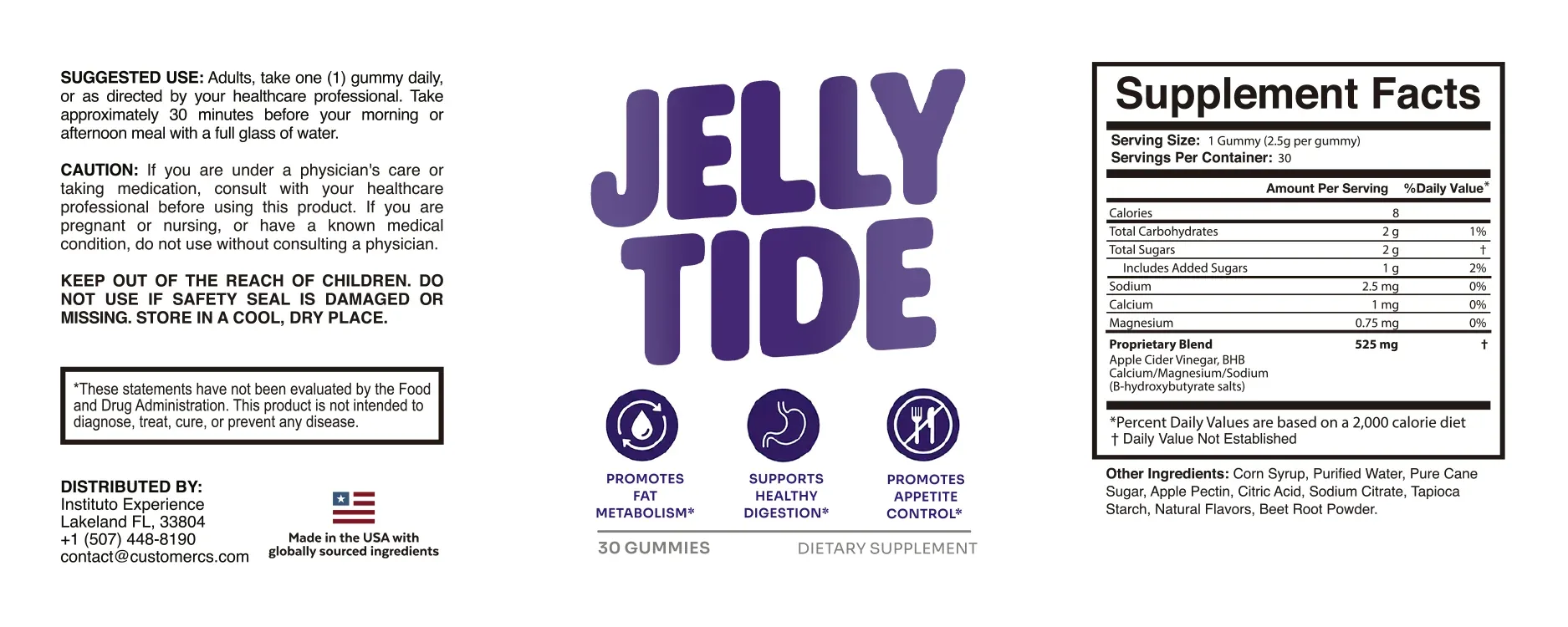
Two grams of sugar is about half a teaspoon. Eight calories is under half a percent of a 2,000-calorie day. A single medium apple carries around nineteen grams of sugar and ninety-five calories, and nobody worries about the apple.
The percent Daily Value column makes the same point in the label's own language: one gram of added sugars is 2% of the daily value. If a product's sugar content is going to hurt you, it will show up as a double-digit percentage, not a two.
The two cases where it counts
Strict carbohydrate targets. On a ketogenic protocol with a twenty-gram daily allowance, two grams is ten percent of the budget for one gummy. It will not break anything on its own, but people on those protocols count deliberately and deserve the number rather than a reassurance.
Multiple gummy products. The arithmetic changes if you take a gummy multivitamin, a gummy fibre and a gummy ACV. Three products at two to four grams each, some at two gummies per serving, and you are at ten to twenty grams of sugar a day from supplements alone. This is the genuinely common failure mode, and it is invisible unless you add it up.
What sugar-free actually costs
Sugar alcohols — maltitol, sorbitol, xylitol, erythritol — are incompletely absorbed, which is what makes them low in calories and also what makes them ferment in the colon. Most people tolerate small amounts; above roughly ten to twenty grams a day bloating and loose stools become common, and the threshold varies a lot between individuals. Erythritol is the gentlest of the group. Soluble fibre syrups behave similarly.
So "sugar-free" is not automatically the better choice for a once-daily product. Two grams of sugar in one gummy is less likely to cause you a problem than a sugar-alcohol load if you are sensitive.
The practical rule
Add up the sugar across every gummy supplement you take, not one at a time. If the total is under about five grams a day, it is nutritionally irrelevant for most people and you can stop thinking about it. If it is creeping into double figures, switch the highest-sugar one to a capsule — capsules have no such constraint, which is the one clear advantage they still hold over gummies.
Medical note: this article is general wellness information, not medical advice, and it reviews published evidence rather than making a product claim. JellyTide is a dietary supplement, not a drug, and is not intended to diagnose, treat, cure or prevent any disease. Speak to a healthcare professional before starting any supplement, especially if you are pregnant, nursing or taking medication.
Frequently asked questions
How many calories are in a supplement gummy?
Usually five to fifteen per gummy, driven almost entirely by the sugar or sugar alcohol in the gel.
Why can't gummies be made without sugar?
The syrup is structural: pectin and gelatine gels rely on it for texture, shelf stability and water activity. Sugar-free versions replace it with sugar alcohols or fibre syrups, which behave differently.
Are sugar-free gummies better?
Not automatically. They cut the calories, but sugar alcohols ferment in the gut and can cause bloating or loose stools above roughly ten to twenty grams a day.
Does two grams of sugar break a ketogenic diet?
No, but it is 10% of a strict twenty-gram allowance, so it belongs in your daily total rather than being ignored.
Sources
See the full label first
The complete JellyTide Supplement Facts panel is transcribed and photographed on the home page, along with the arithmetic on how much of the 525 mg blend can be ketone salt.
Read the panel