Weight Loss Pills vs Gummies: An Honest Comparison
Quick answer: are weight loss pills or gummies better?
Neither format is inherently more effective. Weight loss pills can pack a higher dose into a smaller unit, while gummies win on adherence — the boring variable that decides most real-world results. A gummy adds a gram or two of sugar; a pill needs water and willpower. Since consistency beats potency you skip, pick the format you will actually take every day for two to three months.
- Dose: pills can carry bulkier or bitter actives more easily; read the panel, not the shape.
- Adherence: gummies are pleasant and need no water, so people miss fewer days.
- Sugar: a gummy adds a few calories — a formulation trade-off, not a disqualifier.
Walk down any supplement aisle and the same active ingredients show up twice: once in a hard capsule and once in a brightly coloured gummy. The marketing wants you to believe the choice is a matter of taste. It is not. The decision between weight loss pills and weight loss gummies quietly shapes how much active you swallow, how much sugar rides along with it, and — the part almost nobody measures — how many days out of ninety you actually remember to take the thing. This is an honest walk through all three, without pretending either format is magic.
Format does not decide whether it works — the ingredient does
Start with the uncomfortable truth that sits underneath the whole comparison. A gummy and a capsule are delivery vehicles. Neither one has a metabolic effect of its own. If the active ingredient inside has weak evidence behind it, wrapping it in a nicer shell will not rescue it, and if the ingredient is genuinely useful at the dose provided, the shell barely matters. So the first move, before you ever weigh gummy against pill, is to look past both and ask what is actually inside and how much of it there is.
That reframing kills most of the marketing on both sides. A pill is not "clinical-grade" because it is a hard white tablet, and a gummy is not "gentle" or "natural" because it is soft and fruit-flavoured. Those are aesthetics dressed up as pharmacology. Once you accept that the format is a container, the real questions become narrow and answerable: how much active per serving, how consistent is the dose, how likely am I to keep taking it, and what am I swallowing alongside the active to make the container work.
Dose and potency: where weight loss pills have the edge
This is the one round pills win cleanly, and it is worth being fair about. A capsule is essentially an empty shell you can fill with a compressed powder. That makes it easy to load a large amount of an active, even a bulky or foul-tasting one, into a single small unit you swallow whole so you never taste it. Some ingredients are physically awkward to put into a gummy in a meaningful dose because they are bitter, gritty, or simply take up too much room once you add the gelling base, the sweetener and the flavour that make a gummy chewable.
So if a formula depends on a high milligram dose of a bulky ingredient, a capsule is the more honest home for it. This is exactly why you should never assume the two formats of the "same" product are equivalent. They frequently are not. The gummy version of a popular ingredient can carry a fraction of the capsule's dose precisely because the rest of the gummy is taken up by the stuff that makes it a gummy. The panel is the only place that tells the truth, which is why comparing amounts per serving side by side matters more than any front-of-bottle promise about strength.
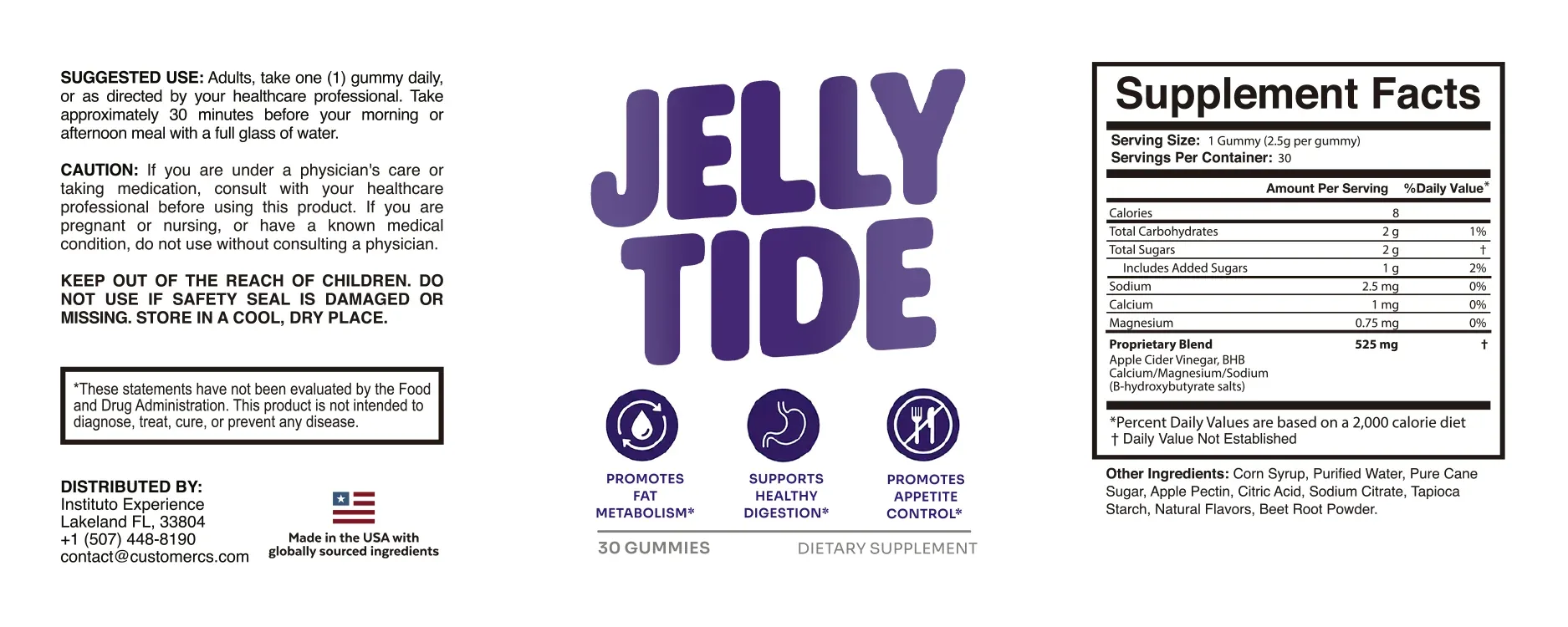
None of this means pills are automatically stronger. Plenty of capsules hide a modest dose behind a proprietary blend that lists a total weight but not the split between ingredients. A gummy with a transparent, disclosed dose can easily out-inform a capsule that hides its numbers. The edge pills have is a ceiling on how much they can carry, not a guarantee they use it. Treat "capsule" as "capable of a higher dose," verify it on the panel, and move on.
Adherence: the quiet reason gummies often win in real life
Here is the variable the industry underplays because it is unglamorous. The best-designed supplement in the world does nothing if it sits in a cupboard. Weight-management results, such as they are, come from taking a product consistently for long enough — typically eight to twelve weeks minimum — alongside genuine effort on food and movement. Miss a third of your doses and you have quietly cut the effective input by a third, no matter how potent each individual serving was.
This is where gummies earn their keep. A gummy needs no glass of water, does not catch in your throat, and is mildly pleasant rather than a small daily chore. Behaviour science is boringly clear that pleasant, low-friction cues get repeated and unpleasant, high-friction ones get skipped. A morning gummy attaches easily to an existing habit — the coffee, the school run, brushing your teeth — and that anchoring is what turns an intention into a streak. For a lot of people the practical difference between a pill and a gummy is not the dose; it is thirty extra days of actually taking the product.
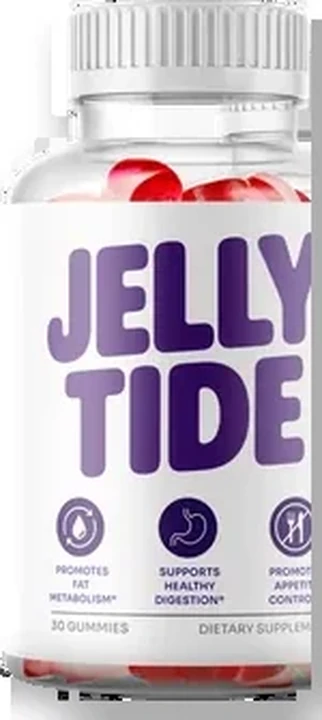
That is the honest case for a chewable format, and it is the case JellyTide is built on: an apple cider vinegar and BHB gummy designed as a once-a-day ritual you will not resent by week three. If you are the sort of person who has bought capsules before and found the bottle still two-thirds full a month later, the format that feels like a treat rather than a task is not a gimmick — it is the whole point.
See the format built around actually taking it
JellyTide is a once-daily apple cider vinegar and BHB gummy, and we publish the full Supplement Facts panel so you can check the dose against any capsule you are considering. Current bundles, shipping and the guarantee window live on the manufacturer's own page — there is no fixed price we could quote here honestly.
See the official offer pageThe sugar objection: are gummies just candy?
This is the most common criticism thrown at gummies, and it deserves a straight answer rather than a defensive one. Yes, a gummy contains a small amount of sugar or a sugar alcohol, because that is part of what makes it chewable and palatable. The relevant question is how much, and the honest answer for a well-formulated product is: not enough to matter to your daily calorie total. A serving that carries a gram or two of sugar contributes single-digit calories — less than a splash of milk in your coffee.
Where the criticism lands is against badly formulated gummies that pile in several grams of sugar per serving and a thin dose of active, so the "supplement" is closer to a fortified sweet. That product exists and the criticism is fair. The defence is not to wave the objection away but to read the panel: check the sugar line and the active line together. A couple of grams of sugar sitting next to a genuine, disclosed dose of the active is a formulation trade-off. Six grams of sugar next to a token dose is candy with a health halo. The format is not the tell; the numbers are. We dug into exactly this maths in our breakdown of the sugar and calories in supplement gummies, and the short version is that the sugar in a sensibly made gummy is a rounding error next to what a single biscuit adds.

Putting the two formats on one scale
Laid side by side, the trade-offs are clear and unromantic. There is no universal winner — there is a winner for you, depending on which weakness you are more likely to be sunk by.
| Factor | Weight loss pills / capsules | Weight loss gummies |
|---|---|---|
| Maximum dose per unit | Higher — can carry bulky or bitter actives | Lower ceiling — base and flavour take up room |
| Taste and swallowing | Neutral if swallowed whole; some dislike capsules | Pleasant; no water needed |
| Added sugar / calories | Essentially none | A gram or two of sugar; single-digit calories |
| Everyday adherence | More likely to be skipped or forgotten | Easier to repeat as a daily ritual |
| Dose transparency | Depends entirely on the label | Depends entirely on the label |
| Best suited to | Bulky, high-dose or bitter ingredients | Modest-dose actives where consistency is the bottleneck |
Read the last row as the decision rule. If the ingredient you want genuinely needs a large dose, a capsule is the sensible container and you should chase the highest disclosed dose you can find. If your honest failure mode is buying supplements and then not taking them — which is most people — then the gummy that you will finish beats the capsule that you will not. The format is a tool for fixing your specific weakness, not a badge of quality.
How to choose in five minutes, whichever format you lean toward
Skip the front of the bottle and run the same short checklist on any product in either format. It cuts through the marketing on both sides.
One: find the amount per serving. A disclosed number in milligrams for each active beats a proprietary blend every time, in a pill or a gummy. If the label hides the split, treat the dose as unknown.
Two: match the dose to the research. A great deal of supplement copy cites a study run at a dose several times higher than the product supplies. This trap catches gummies and capsules equally, and it is worth understanding why so many of those studies are shaky in the first place — something we take apart in why fat burner studies are small and easy to misread.
Three: read the sugar and the additives. On a gummy, glance at the sugar line; on a capsule, glance at the fillers and the shell. Neither is disqualifying in a small amount.
Four: be honest about your own adherence. Ask which format you have actually finished before. Your track record predicts your result better than any ingredient claim.
Five: ignore reviews you cannot verify. Star ratings and "before and after" posts are the least reliable input of all, in either aisle, for reasons we cover in how to spot fake weight loss reviews — linked below.
Medical note: this article is general wellness information, not medical advice, and it compares product formats rather than making a health claim. JellyTide is a dietary supplement, not a drug, and is not intended to diagnose, treat, cure or prevent any disease. Speak to a healthcare professional before starting any supplement, especially if you are pregnant, nursing or taking medication.
Frequently asked questions
Are weight loss gummies or pills more effective?
Neither format has a built-in effectiveness advantage. Effect depends on the ingredient, the dose and how consistently you take it. Pills can carry a higher dose in a smaller unit, while gummies tend to win on the one variable that quietly decides most results: whether you keep taking the product for long enough to see anything.
Do gummies have less active ingredient than pills?
Often, but not always. A gummy has to fit the active into a chewable base without tasting like medicine, so bulky or bitter ingredients are easier to load into a capsule. The only reliable way to compare is to read the amount per serving on both Supplement Facts panels rather than trusting the format.
Which is easier to take consistently?
For most people, gummies. They need no water, they are pleasant rather than a chore, and a pleasant daily cue is easier to repeat for weeks. Since consistency matters more than format, an easier habit often produces a better real-world result than a stronger pill you skip.
Are gummies just candy with marketing?
A gummy does contain a small amount of sugar or a sugar alcohol to be chewable, usually a few calories per serving. That does not make it candy if it also delivers a meaningful dose of the active ingredient. Read the panel: a couple of grams of sugar alongside a real dose is a formulation choice, not a con.

Related reading
Sources
Pick the format you will finish
If your honest weak spot is not taking supplements you buy, a once-daily gummy removes the friction. The JellyTide Supplement Facts panel is reproduced on our home page so you can size up the dose first; current bundles, shipping and the guarantee window live on the manufacturer's own page.
Check the current offer