Over-the-Counter Weight Loss Options Compared Honestly: Evidence, Cost and Side Effects
Quick answer: what is the best over-the-counter weight loss option?
There is no single best over the counter weight loss option — only trade-offs. Orlistat is the only FDA-approved OTC drug and works modestly but has messy digestive side effects; stimulant fat burners can raise heart rate and blood pressure; fiber and gummies are gentler with smaller results. The lowest-risk choice supports a daily habit.
- Most evidence: orlistat, the sole FDA-approved OTC weight loss drug, studied in large trials.
- Highest risk: stimulant fat burners, because of their cardiovascular load.
- Gentlest daily option: fiber or an apple cider vinegar gummy that anchors a routine.
What "over the counter weight loss" actually covers
Around twenty-two thousand people search for some form of "over the counter weight loss" every month, and most of them are hoping for a single clear winner: the pill you can buy without a prescription that quietly does the work. The honest news is that no such winner exists. What exists instead is a small handful of very different products — a regulated drug, a category of stimulant burners, fiber supplements, and the newer wave of apple cider vinegar and ketone gummies — each with its own evidence, price and side-effect profile. Comparing them fairly means refusing to lump them together, because the only thing they share is a shelf and a promise.
Before we open each category, one fact has to sit at the top of the page, because it governs every option below it. Nothing sold over the counter overrides the basic arithmetic of energy in versus energy out. Every product here, including the FDA-approved one, is explicitly designed to be taken alongside a reduced-calorie diet, and every serious study of them says the same. If a label or an advertisement implies you can keep eating exactly as you do and watch the pounds fall, it is describing a fantasy, not a mechanism. Keep that in mind as the categories go by, because it is the difference between a reasonable purchase and a wasted one.
Category one: orlistat, the only FDA-approved OTC weight loss drug
Orlistat, sold over the counter at a lower dose than its prescription version, is the single genuine drug in this comparison — and the only over-the-counter weight loss product the FDA has actually approved for the purpose. It works mechanically rather than metabolically: it blocks an enzyme in your gut so that roughly a quarter of the fat you eat passes through undigested. In large clinical trials, paired with a reduced-fat, reduced-calorie diet, it produced a few extra pounds of loss over placebo across a year. That is real, measurable, and better documented than anything else on this list.
The catch is the side effects, and they are not subtle. Because unabsorbed fat has to go somewhere, orlistat is notorious for oily stools, urgency, gas with discharge, and accidents that are worse the more fat you eat — which is arguably the point, since it nudges you toward a leaner diet by making a fatty one unpleasant. It can also interfere with the absorption of fat-soluble vitamins, so a separate multivitamin is usually recommended. Orlistat has the best evidence in the room. It also has, for many people, the least tolerable experience in the room. Whether that trade is worth it is a personal call best made with a pharmacist or doctor.
Category two: stimulant fat burners and the heart-risk trade-off
The most heavily marketed corner of the over-the-counter aisle is the "fat burner" — capsules built around stimulants such as high-dose caffeine, synephrine (bitter orange), yohimbine, or green tea extract standardised for caffeine and catechins. They feel like they are working, because stimulants do something you can notice: a raised heart rate, suppressed appetite, a jittery sense of energy. That felt intensity is exactly what makes them sell, and exactly why they deserve the most caution. A sensation is not a result, and the sensation here comes with a cardiovascular price.
The core trade-off is blunt. Stimulant burners can raise heart rate and blood pressure, disturb sleep, and provoke anxiety or palpitations, and those effects compound if you already drink coffee or take other stimulants. For anyone with a heart condition, high blood pressure, an arrhythmia, or a sensitivity to caffeine — and for anyone on medication that interacts with stimulants — they can be genuinely risky rather than merely uncomfortable. The measured weight-loss benefit, meanwhile, tends to be small and short-lived. High reward is not what this category offers; it offers high sensation at a real physiological cost, which is a poor exchange for most shoppers. If you are weighing any burner, our primer on weight loss supplement safety basics every buyer should know is worth reading before, not after, you swallow the first capsule.
Prefer a gentler daily option?
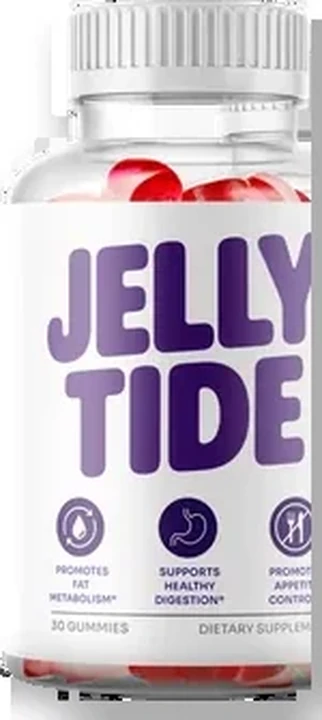
If a stimulant burner feels like more risk than you want, a once-daily apple cider vinegar and BHB gummy is the low-drama end of the aisle. JellyTide publishes its full Supplement Facts panel so you can weigh the doses yourself — current bundles, shipping and the money-back window are only accurate on the manufacturer's own page.
See the official offer pageCategory three: fiber, and why "gentle" is not the same as "useless"
Fiber supplements — psyllium, glucomannan, and similar soluble fibers — are the quiet, unfashionable option, and they are far more defensible than their low profile suggests. They work by absorbing water and swelling in the stomach, which slows digestion and blunts appetite, so you feel full on fewer calories. The effect on the scale is modest and depends entirely on whether that fullness actually leads you to eat less, but the mechanism is real, the safety record is strong, and the cost is usually low. The main downsides are bloating and gas while your gut adjusts, and the non-negotiable need to take them with plenty of water so they do not cause a blockage.
Fiber illustrates the single most useful idea in this whole comparison: gentle does not mean pointless. A small, reliable nudge toward eating less, at low cost and low risk, can quietly out-perform a dramatic-feeling burner that you abandon after two weeks because it wrecks your sleep. The best over-the-counter option is frequently the boring one you will actually keep taking, because adherence — not intensity — is what compounds over months.

Category four: apple cider vinegar and BHB gummies
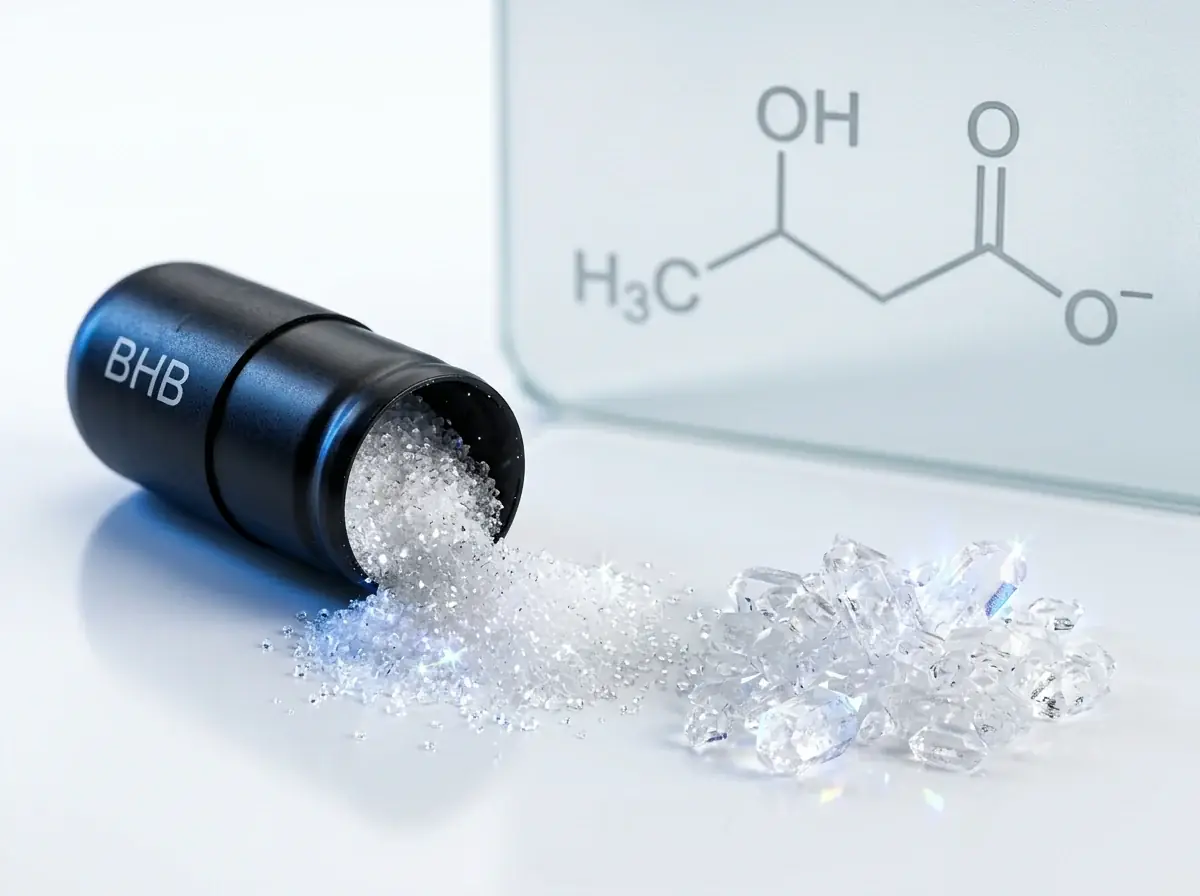
The newest entrants are the gummies — usually apple cider vinegar combined with exogenous ketones (beta-hydroxybutyrate, or BHB) in a chewable, once-daily format. Their evidence base is the thinnest of the four categories in the sense of large, long-term trials, and it is important to be straight about that. Apple cider vinegar has small studies suggesting minor effects on appetite and post-meal blood sugar; BHB has a plausible but far-from-settled story around appetite and energy. Anyone selling these as a fat-melting breakthrough is overselling. Priced and expected sensibly, though, they occupy a genuinely useful niche.
Their real advantage is behavioural rather than pharmacological. A pleasant gummy is easy to remember, easy to keep taking, and can stand in for an afternoon sweet without the side-effect burden of a stimulant or the bathroom drama of orlistat. That is where a product like JellyTide's apple cider vinegar and BHB gummy, whose Supplement Facts panel we reproduce in full, earns its place: not as a metabolic miracle, but as a low-risk daily anchor that makes a calorie-controlled routine slightly easier to hold. If you are weighing this format specifically, our honest gummies-versus-pills format comparison breaks down where each delivery method wins and loses.
The four over-the-counter categories, side by side
Here is the whole aisle on one grid. The point is not to crown a winner but to show what each category trades away to get what it offers. The certainty column reflects how consistent and large-scale the underlying evidence is, not how loudly the product is advertised.
| Category | Evidence | Typical cost | Main side-effect risk | Certainty |
|---|---|---|---|---|
| Orlistat (FDA-approved OTC drug) | Strongest; large trials, a few extra pounds vs placebo | Moderate to high | Oily stools, urgency, vitamin absorption | Moderate to high |
| Stimulant fat burners | Small, short-lived; felt intensity overstates it | Moderate | Raised heart rate and blood pressure, poor sleep | Low |
| Fiber (psyllium, glucomannan) | Reasonable for fullness and appetite | Low | Bloating, gas; must take with water | Low to moderate |
| ACV & BHB gummies | Thin on large trials; minor appetite signals | Low to moderate | Mild; occasional digestive upset | Low |
| Diet, sleep, activity (free) | The main driver of any result | Free | None | High |
Read the grid downward and the honest hierarchy appears. The free habits carry the highest certainty and the lowest cost; orlistat has the best drug evidence but the roughest experience; stimulant burners charge you the most in side effects for the least reliable payoff; and the gentler options — fiber and gummies — make their case not on effect size but on how easy they are to sustain. Value in this category is decided by which trade-off you can actually live with for three months.
Myth: "over the counter means it has been proven safe and effective"
This is the most expensive misunderstanding in the aisle. Only orlistat is an FDA-approved over-the-counter weight loss drug; everything else — every burner, fiber blend and gummy — is a dietary supplement, which is regulated very differently. Supplements do not need pre-market proof of effectiveness, and "FDA-registered facility" refers to where a product is made, not to any approval of the product itself. A slick label and a shelf in a reputable shop are not evidence. The only reliable signal of value is an open Supplement Facts panel with researched doses you can check, which is also the heart of deciding whether a weight loss supplement is worth the money at all.
Objection: "do OTC options work without dieting?"
It is the question everyone quietly wants a yes to, and the answer is no. Every option here, orlistat included, is built and labelled to be used alongside a reduced-calorie diet. Orlistat literally does nothing useful about the fat you never eat; a stimulant's appetite suppression is wasted if you eat past it anyway; fiber and gummies only help if the fullness they create translates into smaller portions. Without an energy deficit, the effect of any over-the-counter product is small enough to be wiped out by one holiday weekend. These are supports for a habit, not substitutes for one, and setting realistic weight loss expectations for your first three months is what keeps that truth from turning into disappointment.

The lower-risk pick: match the option to your habit
If you want a single practical rule out of all this, it is to choose the option that fits a habit you can keep, and to weight risk heavily. For most people without a specific medical reason to reach for a drug, the lower-risk daily choice is the gentle end of the aisle: fiber, or an apple cider vinegar and BHB gummy that quietly anchors a routine and replaces a sugary snack. You give up the felt drama of a stimulant and the documented punch of orlistat, but you also shed their costs — the cardiovascular load and the digestive misery — and you gain the one thing that actually compounds, which is a product you will still be taking in week ten.
Orlistat remains the right answer for some people, particularly those who want the strongest evidence and can tolerate its effects under a pharmacist's guidance. Stimulant burners are the answer for almost nobody once the risk-to-reward is laid out plainly. And the free foundation — a consistent deficit, protein at meals, seven-plus hours of sleep, a daily walk, and enough fiber to stay full — is the only "option" on this page that reliably out-performs all the others, at a cost of nothing. Treat any over-the-counter purchase as a small support bolted onto that foundation, price it against its label rather than its advertising, and you will spend both your money and your risk budget wisely.
Medical note: this article is general wellness and consumer information, not medical advice, and it does not make a product claim. JellyTide is a dietary supplement, not a drug, and is not intended to diagnose, treat, cure or prevent any disease. Speak to a healthcare professional before starting any supplement or over-the-counter product, especially if you are pregnant, nursing, take medication or have a heart condition.
Frequently asked questions
What is the best over-the-counter weight loss option?
There is no universal best. Orlistat has the most regulatory backing as the only FDA-approved OTC weight loss drug, but its digestive side effects put many people off. Stimulant fat burners can feel powerful yet carry cardiovascular risk. For a lower-risk daily option, fiber or an apple cider vinegar gummy that supports a habit tends to be the more sustainable choice, provided you keep a calorie deficit doing the real work.
Are OTC fat burners safe?
Safe depends on the ingredients and your health. Many over-the-counter fat burners rely on stimulants like high-dose caffeine or synephrine that can raise heart rate and blood pressure, trigger jitters, or disturb sleep, and they can be risky if you have a heart condition, take medication, or are sensitive to stimulants. Non-stimulant options such as fiber and gummies are gentler, though their effects are modest. Always read the label and check with a doctor first.
Which non-prescription option has the best evidence?
Orlistat has the strongest and most consistent clinical evidence among over-the-counter products, because it is a regulated drug studied in large trials, where it produced a few extra pounds of loss versus placebo alongside a reduced-fat diet. Fiber has reasonable evidence for fullness and appetite. Stimulant burners and most gummies have thinner, smaller-scale support, so expect modest results and price them accordingly.
Do OTC options work without dieting?
No, not to any meaningful degree. Every credible over-the-counter option, including orlistat, is designed to be used alongside a reduced-calorie diet, and its own labelling says so. Without an energy deficit from food and activity, the effect of any pill, powder or gummy is small enough to be erased by a single indulgent week. Treat these products as support for a habit, never a replacement for one.

Related reading
Sources
- U.S. Food and Drug Administration — Orlistat (Alli and Xenical) Information
- NIH Office of Dietary Supplements — Dietary Supplements for Weight Loss
- Federal Trade Commission — Dietary Supplements Advertising Guide
- Mayo Clinic — weight loss: setting realistic goals
- Harvard T.H. Chan School of Public Health — Healthy Weight
Want the low-risk daily option?
If the gentle end of the over-the-counter aisle is where you want to start, JellyTide is a once-daily apple cider vinegar and BHB gummy with an open Supplement Facts panel. Current bundles, shipping and the guarantee window live on the manufacturer's own page — check the amounts against the price before you decide anything.
Check the current offer