Appetite Suppressant Claims: A Fact Check
Quick answer: do appetite suppressant claims hold up?
Partly. A genuine appetite suppressant works through real satiety mechanisms — soluble fibre that swells in the stomach, or protein that slows digestion — and the effect is a modest, meal-to-meal dip in hunger. The overreach lives in the adjectives: "melt fat," "kill cravings all day," "clinically proven." Those go far beyond what the evidence supports. Look for honest, low-stimulant options and treat the marketing verbs with suspicion.
- Real: fibre and protein genuinely raise fullness and can trim the next meal.
- Overreach: "melts fat," spot-reduction and all-day hunger elimination lack proof.
- Smarter: short, structured cycles beat constant white-knuckle restriction.

Type "appetite suppressant" into a search bar and you are met with a wall of confident verbs: crush, kill, melt, eliminate. It is one of the most searched and most oversold corners of the supplement world, and separating the small amount of real satiety science from the marketing overreach takes a bit of patience. This fact check does exactly that — it names the claims that hold up, the ones that do not, and the honest, low-stimulant middle ground where a product can genuinely help without pretending to abolish hunger.
What genuine satiety actually looks like
Before checking any claim, it helps to know what a real appetite effect is supposed to feel like, because the honest version is undramatic. Satiety is the sense of fullness that builds during and after a meal and tells you to stop. It is orchestrated by stretch receptors in the stomach, by gut hormones such as GLP-1 and peptide YY, and by how quickly food leaves the stomach. Anything that legitimately reduces appetite does so by nudging one of those levers — making the stomach feel fuller for longer, or slowing the rate at which it empties.
Two ingredients do this with reasonable evidence behind them, and neither is exotic. Soluble fibre, especially viscous fibres like glucomannan, absorbs water and forms a gel that physically takes up room and slows digestion, so the next meal arrives against a background of mild fullness. Protein is the most satiating of the three macronutrients gram for gram, blunting hunger between meals more than the same calories of carbohydrate or fat. These are real, repeatable, boring mechanisms. The effect they produce is a gentle "I could take or leave seconds," not the switched-off appetite the adverts sell.
The claims that fail the appetite suppressant fact check
Now to the overreach, because this is where most of the money is made. Four claims come up again and again, and all four run ahead of the evidence.
"Melts fat" or "burns fat while you sleep." Suppressing appetite and burning fat are two different things, and no appetite product does the second directly. Reducing how much you eat can, over time, contribute to a calorie deficit that leads to fat loss — but that is a slow, indirect chain, not a supplement melting anything. The verb is chosen to collapse weeks of consistency into an image of fat disappearing on contact.
"Targets belly fat." Spot reduction is not a real physiological phenomenon. When the body draws on fat stores it does so systemically, and your genetics largely decide the order in which fat leaves. An appetite product cannot instruct your body to take it from your midsection. Any imagery implying otherwise is illustration, not mechanism.
"Eliminates cravings all day from one dose." Satiety signals are meal-to-meal. A fibre that swells in your stomach at breakfast is not still working at dinner. Real effects need to be renewed with meals and habits across the day; a single morning dose that abolishes hunger until bedtime is not how appetite regulation works.
"Clinically proven." This is the phrase that does the most quiet damage, so it gets its own section below.

"Clinically proven" and what it usually hides
The phrase "clinically proven" carries no legal definition on a supplement label. It can rest on a single small study of thirty people, an unpublished trial the company ran on itself, or — most commonly — research on an ingredient at a dose several times higher than the product actually contains. It can even refer to a study that measured something other than appetite. The words are engineered to sound like the FDA signed off on a drug, when in fact no supplement is approved by the FDA for effectiveness at all.
So treat "clinically proven" not as an answer but as a question. Which study? How many people, for how long? What dose did they use, and does it match this label? Who paid for it? A claim that survives those questions is worth something; one that evaporates under them was decoration. If you want the full toolkit for reading the studies behind these claims, our guide to spotting industry-funded supplement studies walks through the tells one by one, and the closely related problem of why so many of these trials are small and short explains why even a real study can mislead.
The honest sentence a good appetite product could write is unglamorous: "this ingredient, at this dose, produced a small, repeatable increase in fullness in modest trials." No marketing department wants to lead with that — which is exactly why it is the sentence worth trusting.
Sorting the claims onto one scale
Laying the common claims beside the evidence makes the pattern obvious. The strength column reflects how consistent and well-sized the underlying trials are, not how loud the advertising is.
| Claim / mechanism | Plausible? | Strength of evidence |
|---|---|---|
| Soluble fibre increases fullness before a meal | Yes — physical and hormonal mechanism | Low to moderate |
| Higher protein reduces between-meal hunger | Yes — well-described mechanism | Moderate |
| Apple cider vinegar produces a small satiety signal | Plausibly — modest, short trials | Low |
| Botanical blend "kills cravings all day" | No — satiety is meal-to-meal | Very low |
| Product "melts" or "burns" fat directly | No — conflates appetite with fat loss | None |
| Supplement targets belly fat specifically | No — spot reduction is not real | None |
Read top to bottom and the rule writes itself: the more specific and physiological the claim, the better it holds up; the more magical and total the claim, the thinner the evidence. Fullness before a meal is defensible. Melting fat overnight is not.
Prefer honest satiety over hype
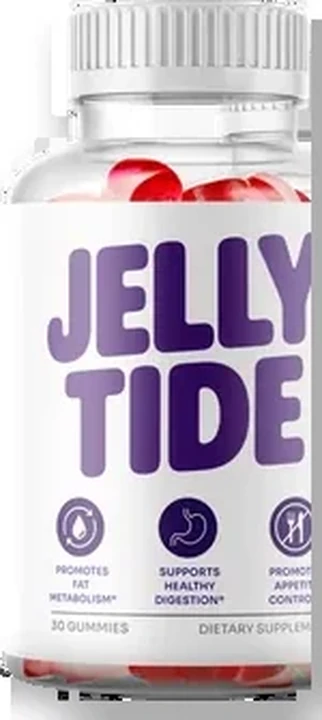
JellyTide is a low-stimulant apple cider vinegar and BHB gummy, and we publish the full Supplement Facts panel so you can judge the doses yourself instead of trusting an adjective. There is no "melts fat" promise here — current bundles, shipping and the guarantee window live on the manufacturer's own page.
See the official offer pageThe low-stimulant question worth asking
A lot of aggressive appetite products lean on stimulants — high-dose caffeine and its relatives — to blunt hunger. That can work in the short term, but it comes with jitters, disrupted sleep, a raised heart rate and a rebound when you stop, and poor sleep quietly increases appetite the next day, undercutting the whole point. For anyone sensitive to stimulants, or taking them late enough to affect sleep, the "suppressant" can cost more appetite control than it buys.
This is why the honest options tend to be the low-stimulant ones that work through fibre, protein and habit rather than through a racing pulse. They are less dramatic and far more sustainable. A modest daily satiety nudge you can keep up for months, without wrecking your sleep, will out-perform an intense stimulant you abandon in a fortnight. That sustainability, not raw intensity, is the metric that actually predicts a result.
There is also a cycling point worth making, because it reframes the whole goal. Appetite is not something you win once and switch off forever; it responds to how hard and how long you push. Sustained, severe restriction reliably backfires — the body defends its weight by raising hunger and lowering the energy it burns, and the appetite you suppressed for six weeks comes back louder. Short, structured phases of gentle restriction, broken by periods of maintenance, tend to be far easier to sustain than a permanent siege, and they leave your relationship with food intact. A supplement, if you use one at all, belongs inside that rhythm as a small aid during the harder phases — not as a tool to hold hunger down indefinitely, which nothing in this category can honestly do.
How to test any appetite claim yourself
You do not need to trust us or the label. Run a claim through five quick checks and most of the overreach falls away.
One: is there a plausible mechanism? Does the product explain how it reduces appetite — fibre, protein, slowed emptying — or does it just assert a result? No mechanism, no confidence.
Two: is the effect meal-to-meal or "all day"? Honest satiety is tied to meals. All-day elimination from one dose is a red flag.
Three: does the dose match any cited study? Find the amount per serving on the panel and compare it to the dose in the research. A gap of several times is the most common trick.
Four: is it leaning on stimulants? Check for high-dose caffeine hiding behind a proprietary blend, and think about your own tolerance and sleep.
Five: what does it promise to do to fat? Any direct "melts" or "burns" or "targets belly fat" language tells you the copy has left the evidence behind.
Medical note: this article is general wellness information, not medical advice, and it fact-checks marketing claims rather than making a health claim. JellyTide is a dietary supplement, not a drug, and is not intended to diagnose, treat, cure or prevent any disease. Speak to a healthcare professional before starting any supplement, especially if you are pregnant, nursing or taking medication.
Frequently asked questions
Do appetite suppressants really reduce hunger?
Some do, modestly, when they work through real satiety mechanisms such as soluble fibre swelling in the stomach or protein slowing digestion. The effect is usually a gentle reduction in how much you want at the next meal, not the switching-off of hunger the adverts imply. Anything promising to abolish appetite is overselling.
Which appetite suppressant claims are exaggerated?
Claims that a product melts fat, targets belly fat, or eliminates cravings entirely are the usual overreach. So is 'appetite gone all day' from a single dose. Real satiety effects are meal-to-meal and modest, and no supplement selectively burns fat from one area of the body.
Are natural suppressants proven to work?
A few have reasonable evidence for a small effect, mainly soluble fibres like glucomannan and higher-protein intake, both of which increase fullness. Most botanical appetite blends have thin, short, small-sample trials behind them. Natural does not mean proven, and the burden of proof sits on the specific ingredient and dose.
Can you trust 'clinically proven' on a label?
Not on its own. The phrase is unregulated and can rest on a single small study, an unpublished in-house trial, or research on a dose far higher than the product contains. Treat it as a prompt to check the actual study, its size, its length and its funding rather than as a guarantee.

Related reading
Sources
Choose the honest option, not the loudest
If you would rather have a modest, disclosed satiety ingredient than an adjective that promises to melt fat, start with the panel. The JellyTide Supplement Facts are reproduced on our home page; current bundles, shipping and the guarantee window live on the manufacturer's own page.
Check the current offer